Business need
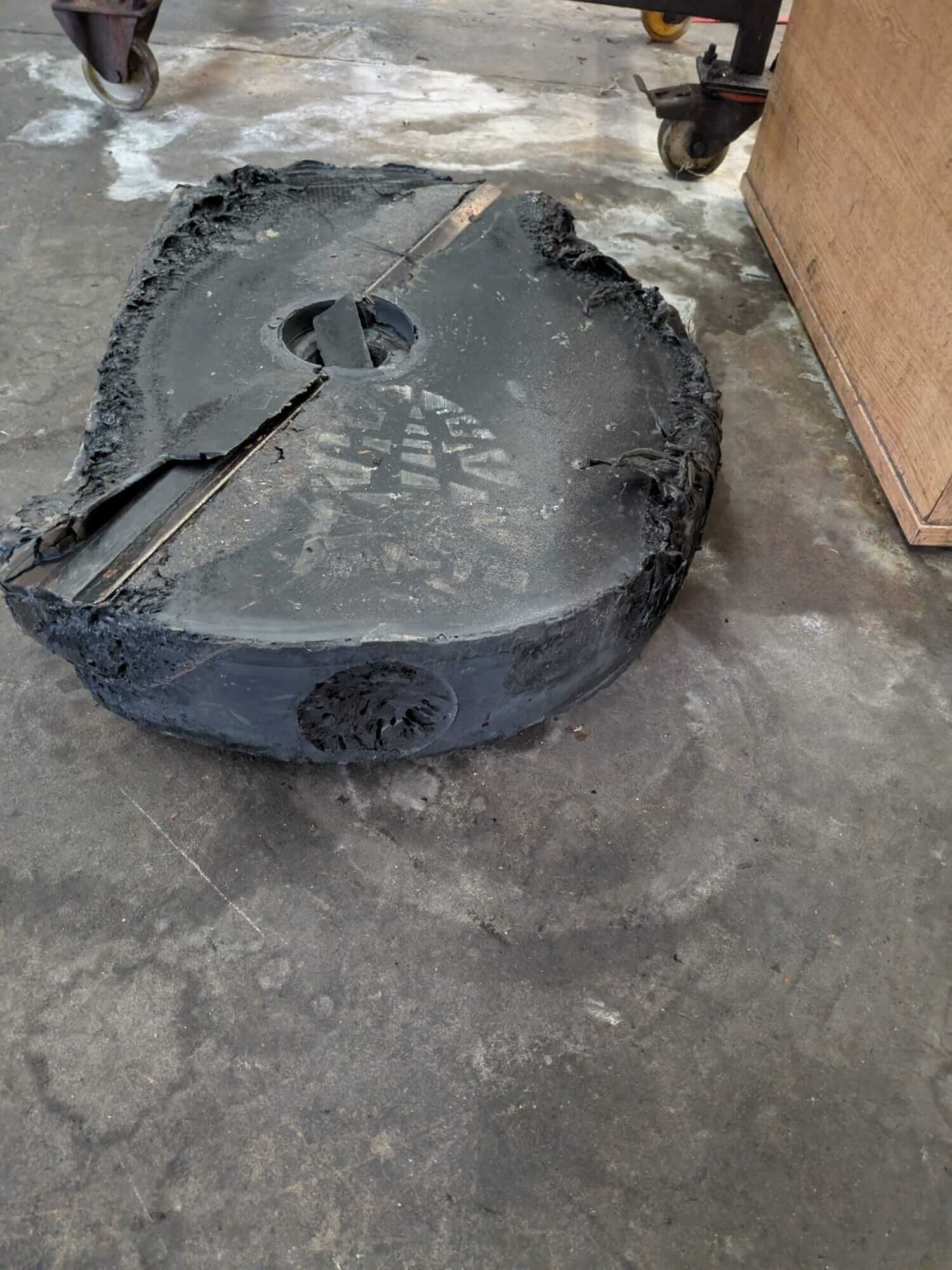
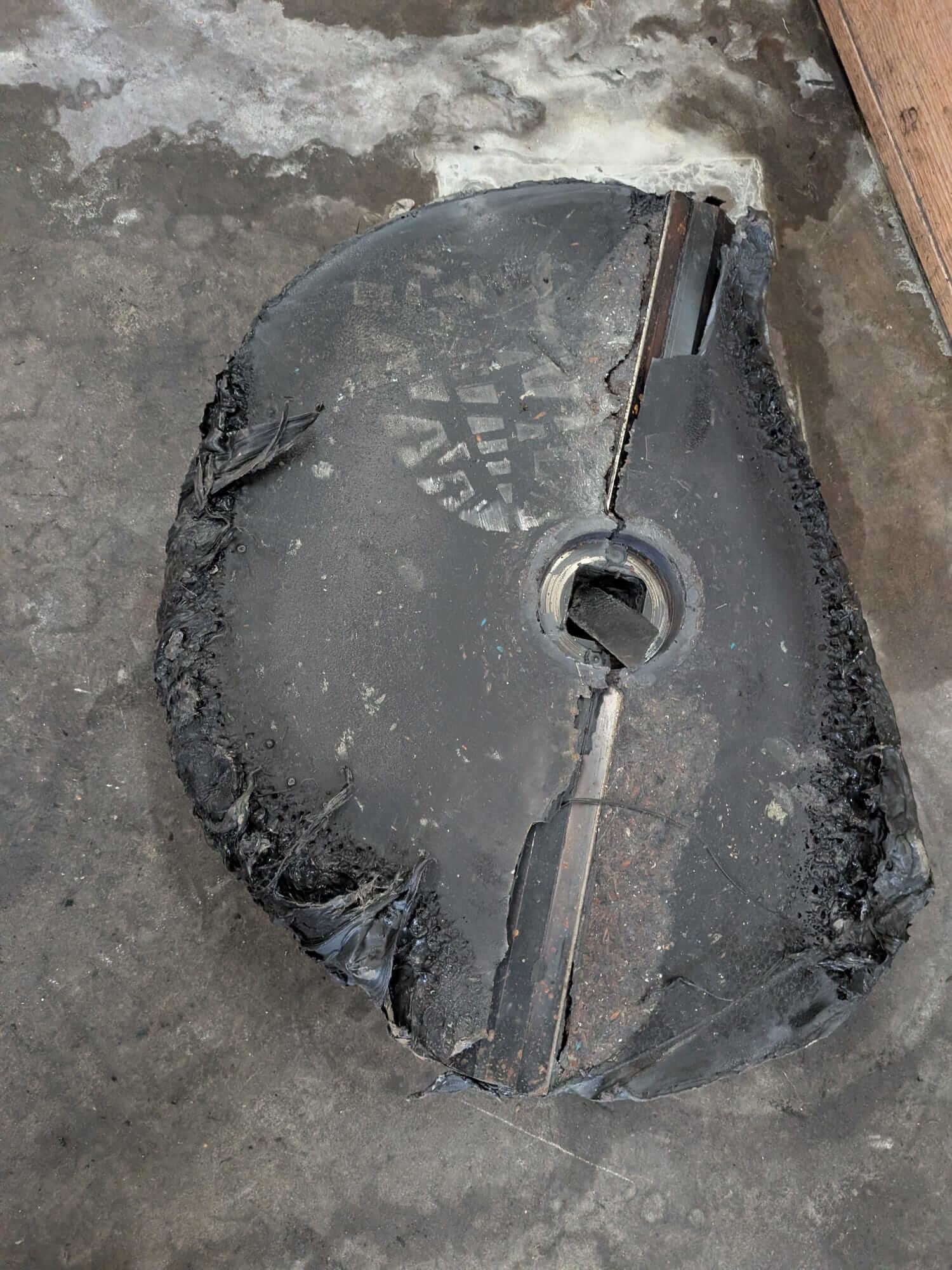
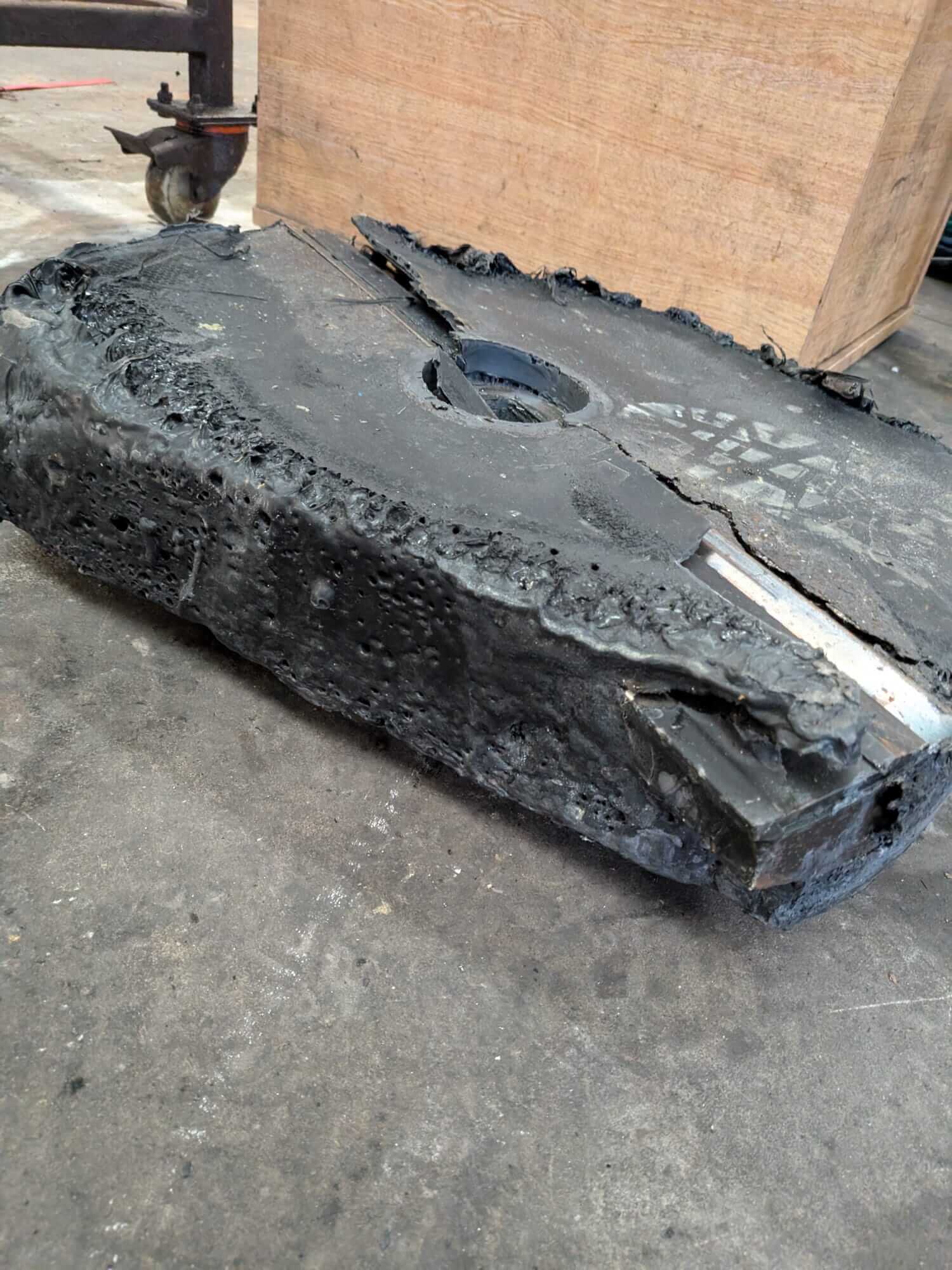
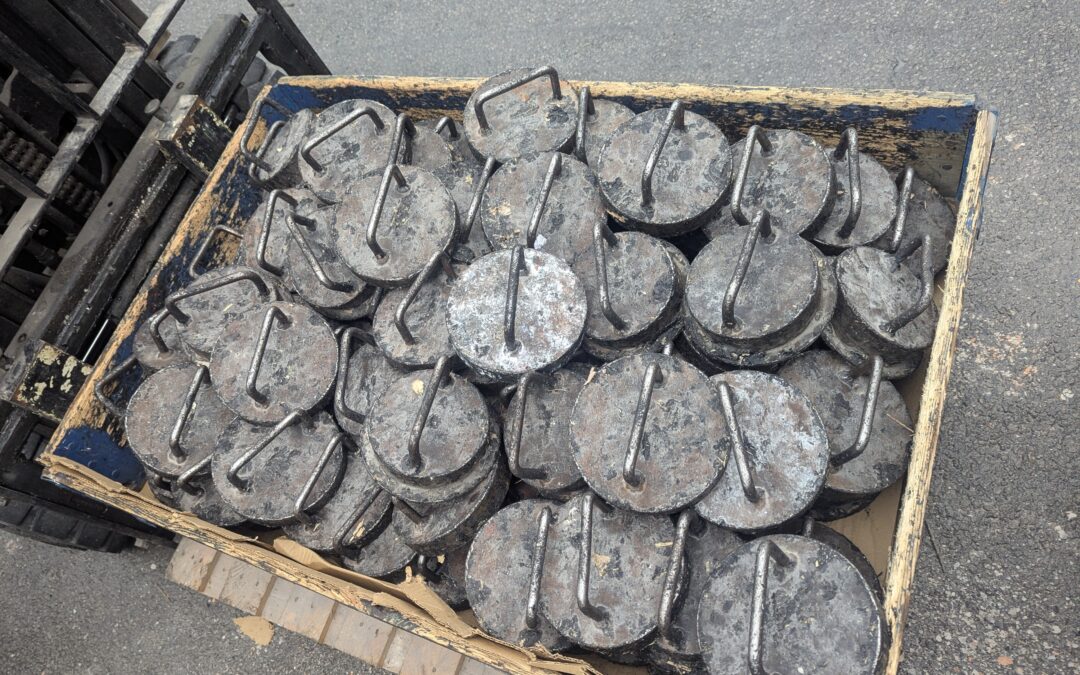
Bostik, a leading manufacturer of adhesive products, appointed us to clean industrial weights that had been used in its production process for several years. Over time, the industrial weights had become heavily coated with adhesive residue, making conventional cleaning difficult and inefficient.
Our role
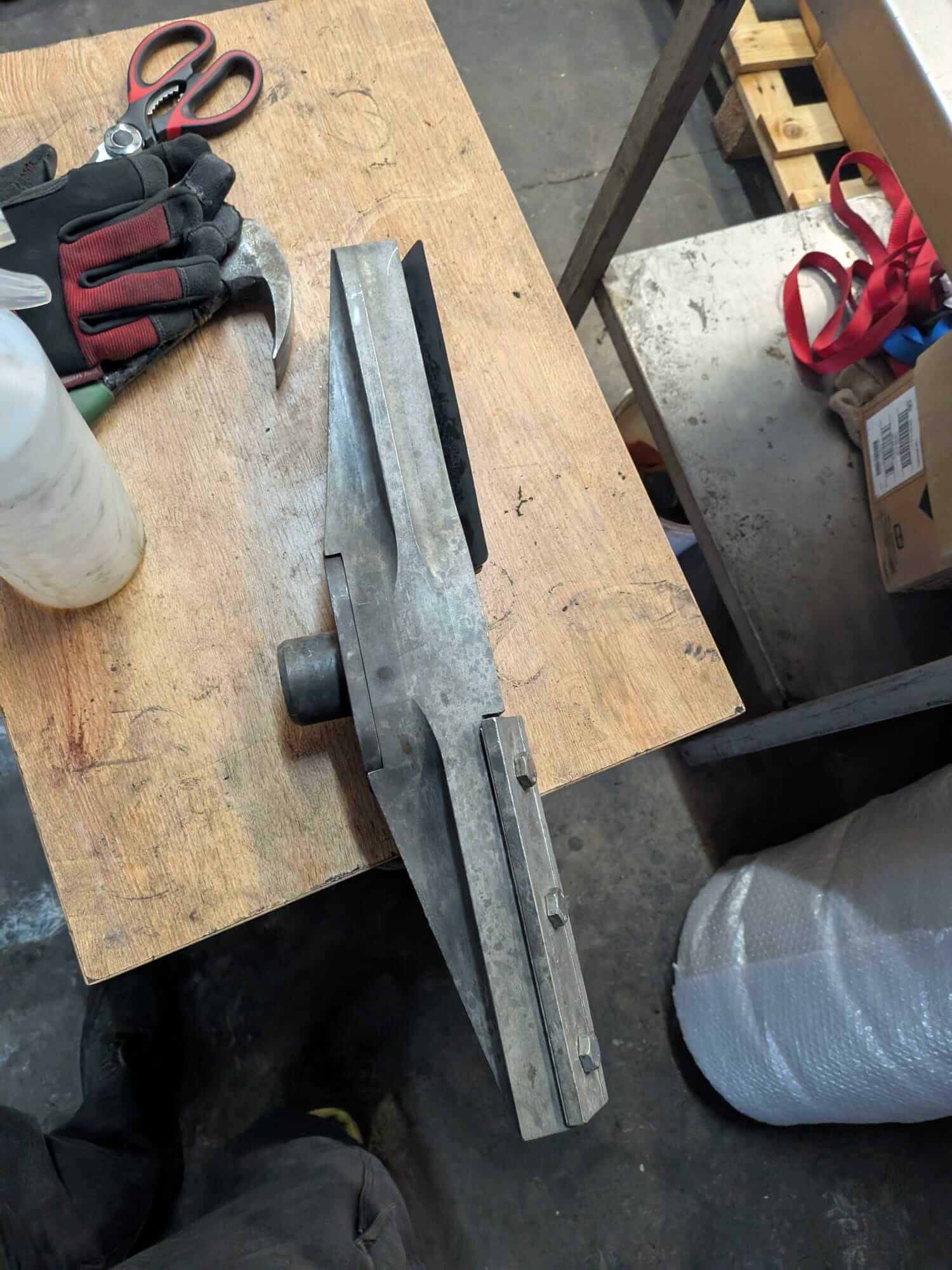
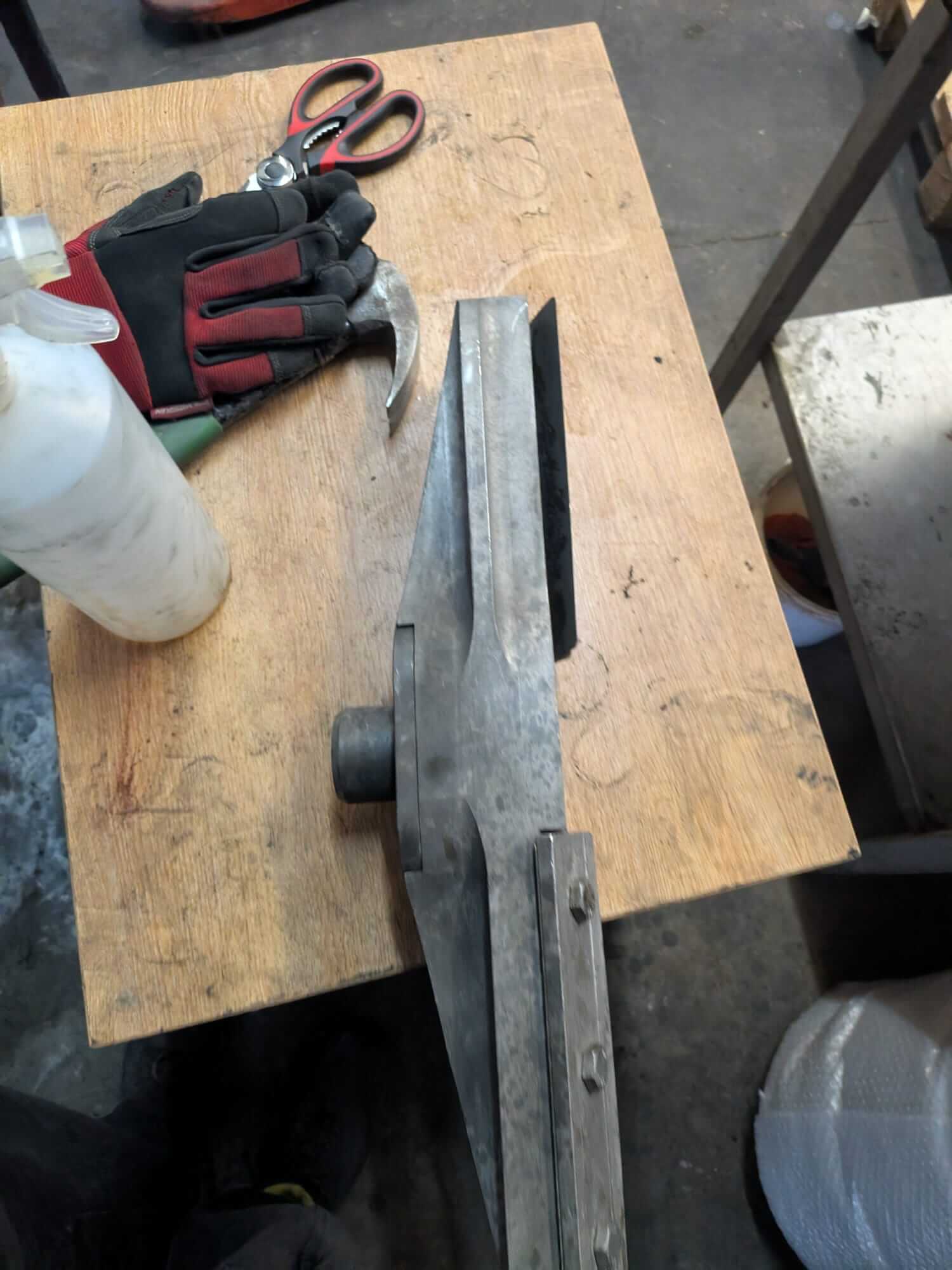
Each component weighed approximately 8 kg, meaning the project also required careful planning for safe manual handling during loading and processing. To minimise the risk of any damage to the component, we recommended our specialist pyrolysis process, as it’s particularly effective for components with substantial, long-established build-up.
During the pyrolysis process, we used precise control of temperature and cycle times to break down and burn off the residue without damaging the underlying metal component.
The outcome
The project provided Bostik with an effective solution for removing years of adhesive contamination from its industrial production weights. By combining specialist pyrolysis expertise with collection and return logistics, we completed the work efficiently and within a one-week turnaround.
If you have a part that is difficult to clean contact our team to find out more about our trusted industrial cleaning solutions.
Developing a proof of cleaning concept for a heat exchanger manufacturer
Business Need
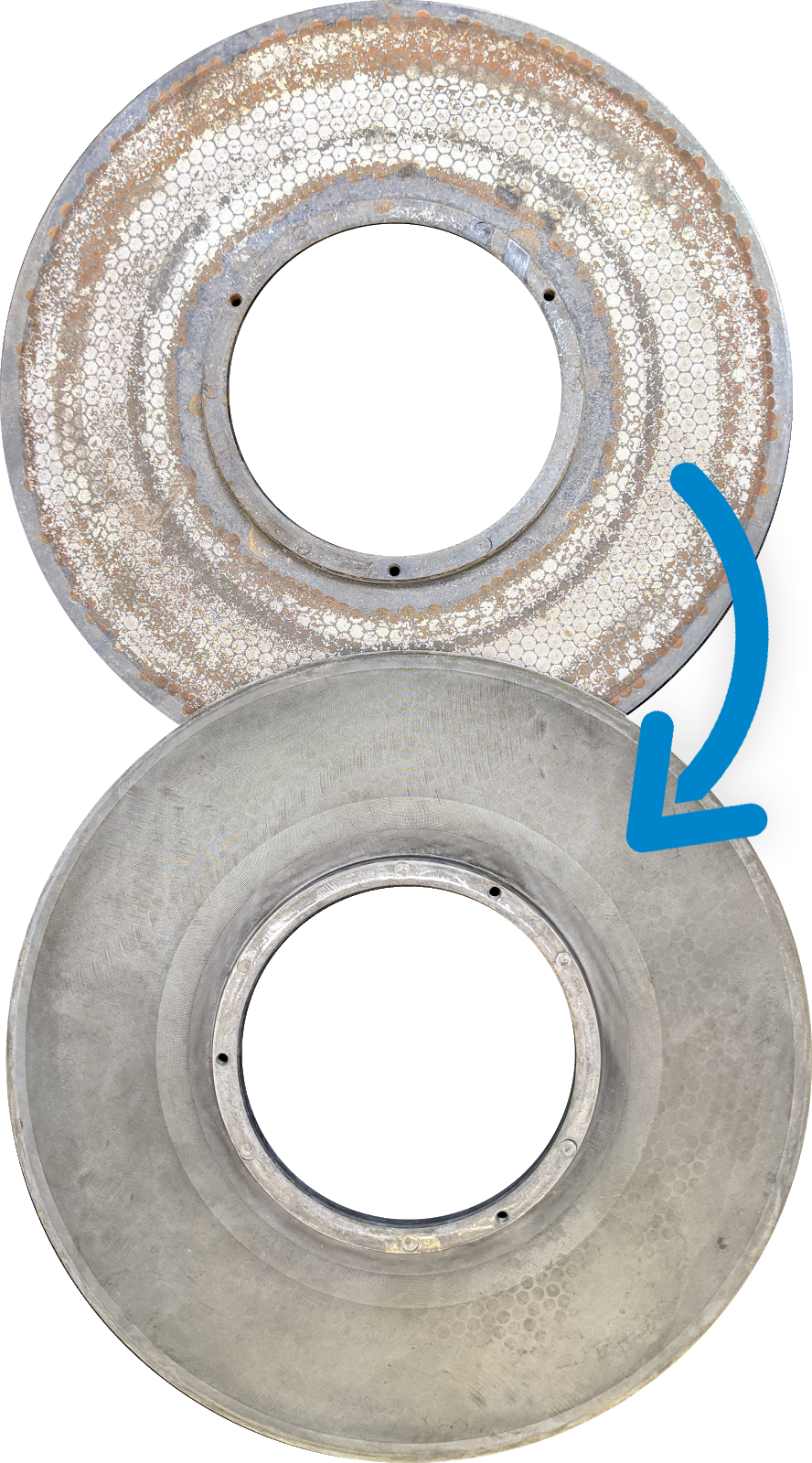
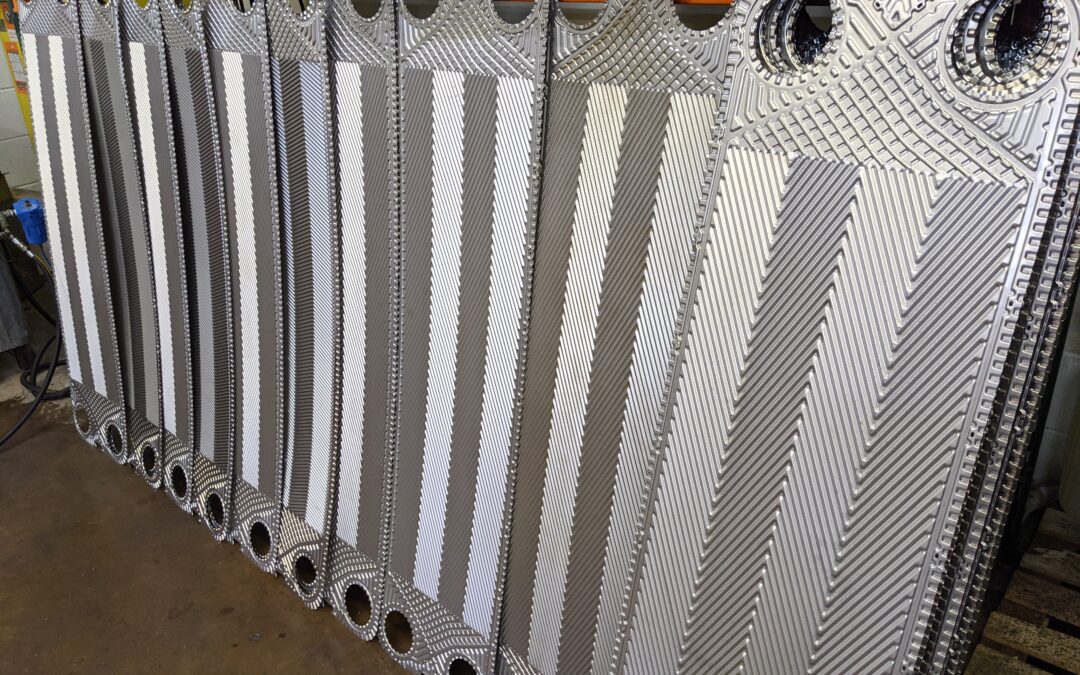
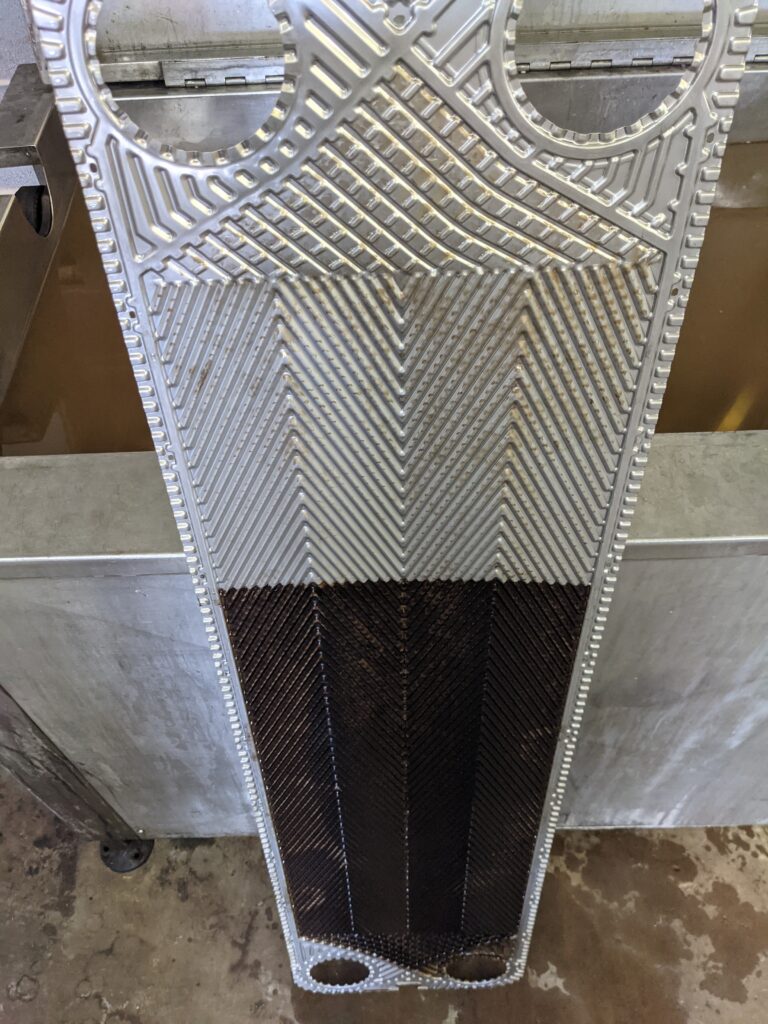
We were approached by Alfa Laval, a leading provider of products used in heat transfer, separation and fluid handling to conduct a trial cleaning of its brazed plate heat exchangers.
The company often works collaboratively with many industries to optimise efficiency, reduce emissions and increase yields and has a strong ethos to reshaping the energy landscape and create a more sustainable value chain.
The objective of the project was to determine if Alfa Laval’s stainless-steel brazed heat exchangers could be cleaned of contamination.
Our Role
We hosted a representative from Alfa Laval at our site for a week whilst the testing was carried out, and a cleaning methodology was considered.
Applying our decades of experience in a range of cleaning solutions, and knowing that the contaminate could be oil, scale or carbonised material causing either a partial or full blockage, we set about devising a robust solution.
We developed proprietary flushing technology using a closed circuit of chemicals. For the scale contaminate this was an acid solution whilst for oil we used CB100, an aqueous eco-friendly industrial cleaner and degreaser, which required a pneumatic pump to flush the chemical through.
The Outcome
Through our extensive testing and cleaning expertise we developed a flushing methodology to first remove lose contamination and break blockages.
Despite this cleaning process not being conducted previously, we were able to demonstrate that the Alfa Laval heat exchangers could be cleaned, rather than buying new. At a cost of £20,000 to £50,000 to purchase, we were also able to deliver significant cost savings to companies utilising these heat exchangers.
Following the creation of the proof of cleaning concept with the manufacturer we’ve been commissioned to clean a number of these heat exchangers for a range of companies and testers.
If you have a part that is difficult to source or expensive to replace contact our team to discuss our proof of cleaning concept capabilities or explore the services and cleaning solutions we already provide.
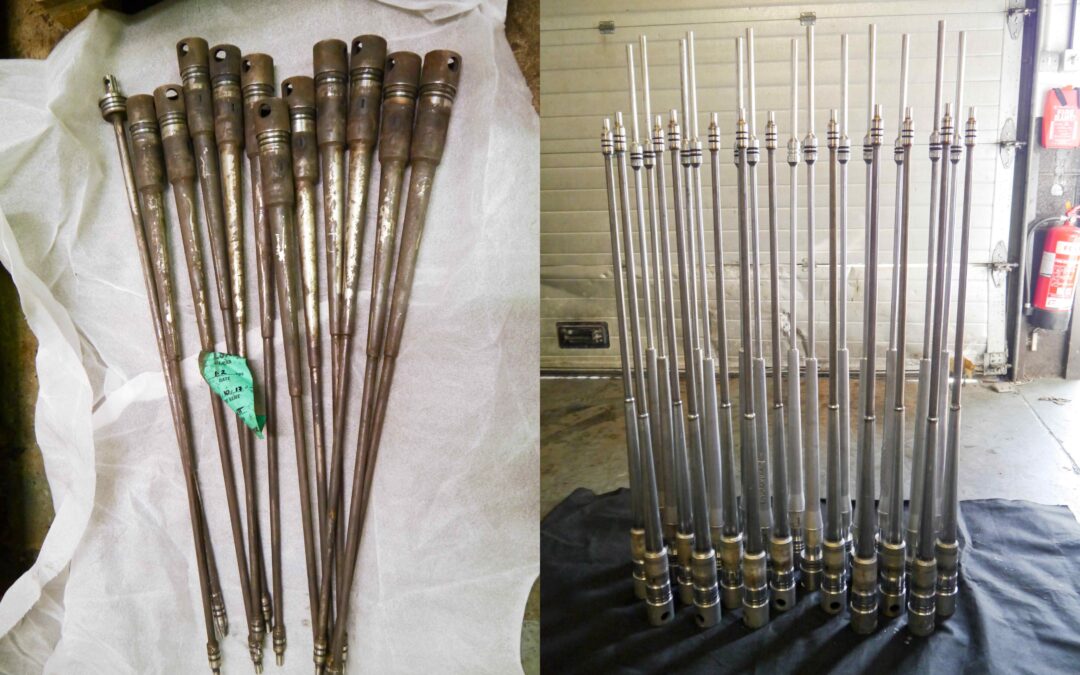
Ultrasonic cleaning 500 hydrocyclones from an offshore platform in the Norwegian North Sea
Business Need
Our customer, NOV, delivers technology-driven solutions that are critical to the safe, efficient and reliable operation of the global energy industry.
This project involved the cleaning of hydrocyclones that are used to separate oil from water, within a produced water treatment system, on an offshore platform in the Norwegian North Sea.
To replace each hydrocyclone would cost between £1,000 – £2,000 each and include a lengthy procurement and delivery cycle. Given that the platform only had a tight 13-day window for shipping, cleaning and restoring, the project required a partner that could act quickly to meet strict timeframes. And at a cost of around £100 for us to clean each hydrocyclone, there were huge cost efficiencies to be had, especially when they had 500 parts.
Our Role
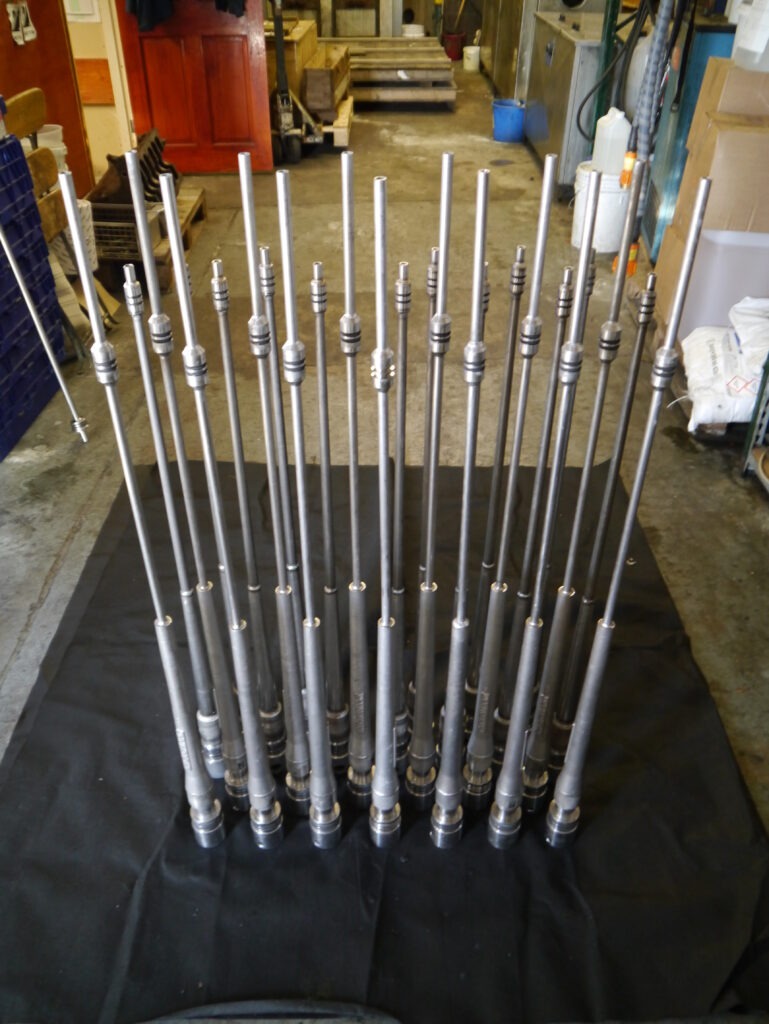
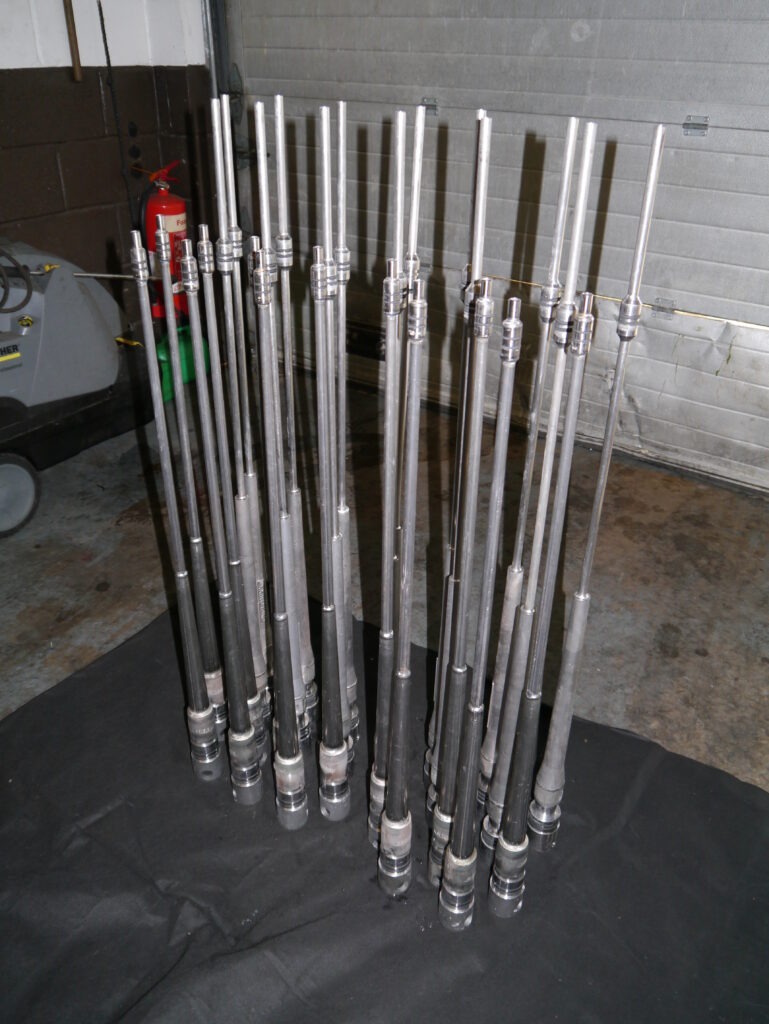
The client sent 500 hydrocyclones at a time that were contaminated with oil through the separation process. If there is built up oil or excessive oil slugs within the deoiling hydrocyclone this can reduce the efficiency of the separation process and lead to oil being carried over to the clean water stream.
Our role was to remove this built-up oil and restore the high function of the part. As the parts are incredibly fragile, the cleaning process used a combination of neutral chemicals and ultrasonic cleaning. Special care and individual attention was delivered to ensure that no damage was caused. Ultrasonics, a manual rinse and a final rinse in demineralised water was completed before each part was hand dried with compressed air to ensure the delicate parts were protected and no contamination was introduced.
The Outcome
We were able to restore the parts to precision working conditions within the 13-day period, which included port collection and delivery.
The client was pleased with the process as it was conducted within the designated shipping dates, at a significantly reduced cost to replacing the parts and all without any damage to the hydrocyclones.
So, before you look to replace whole parts talk to our team to see if we can save time, cost and the environment through our industrial cleaning solutions.