1970 Bulldog Tank Fuel Tank Restoration
For friendly & knowledgable help contact us on:
01924 495 975 hello@sonicsolutionsltd.com Open Contact Form

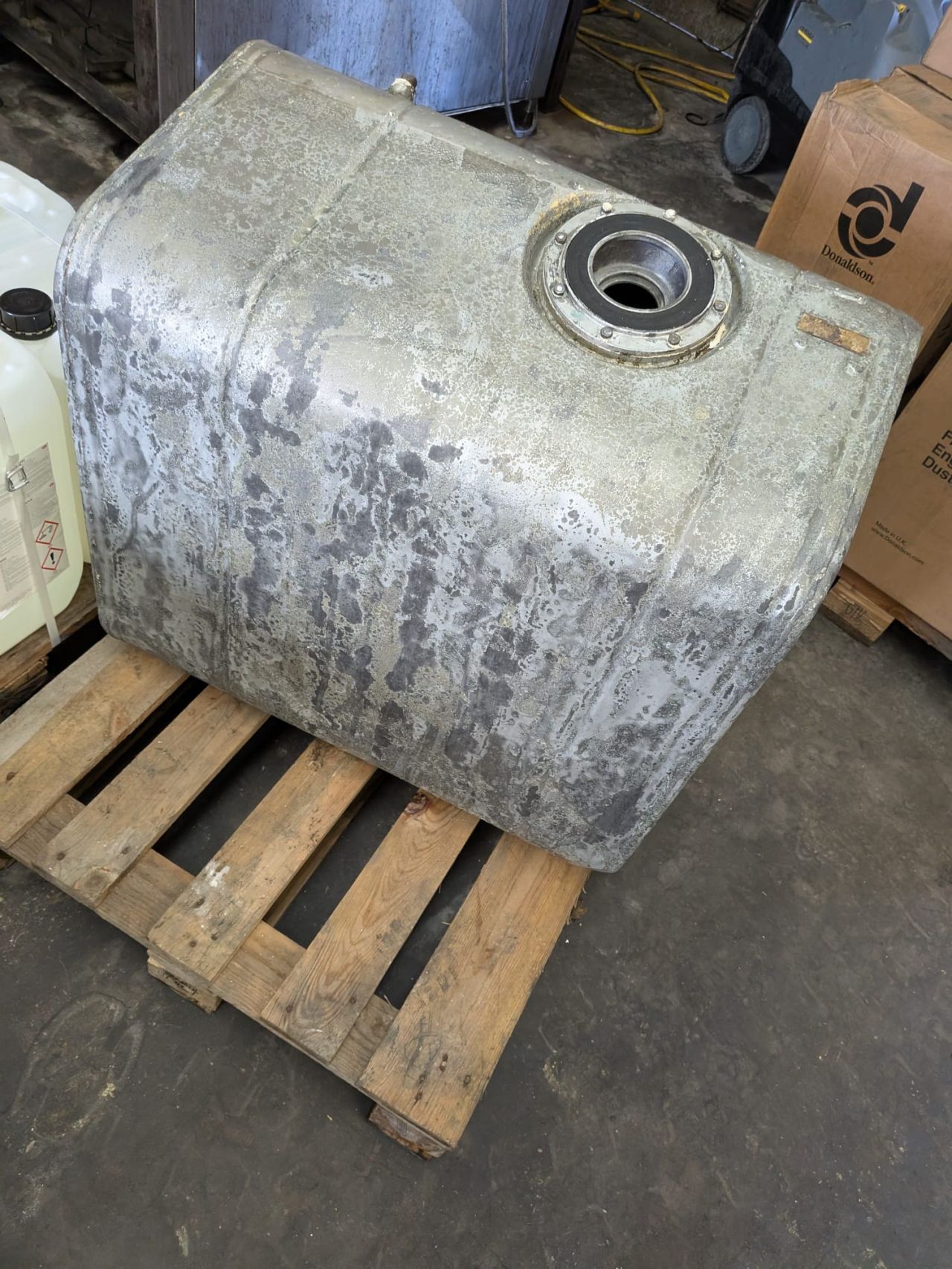
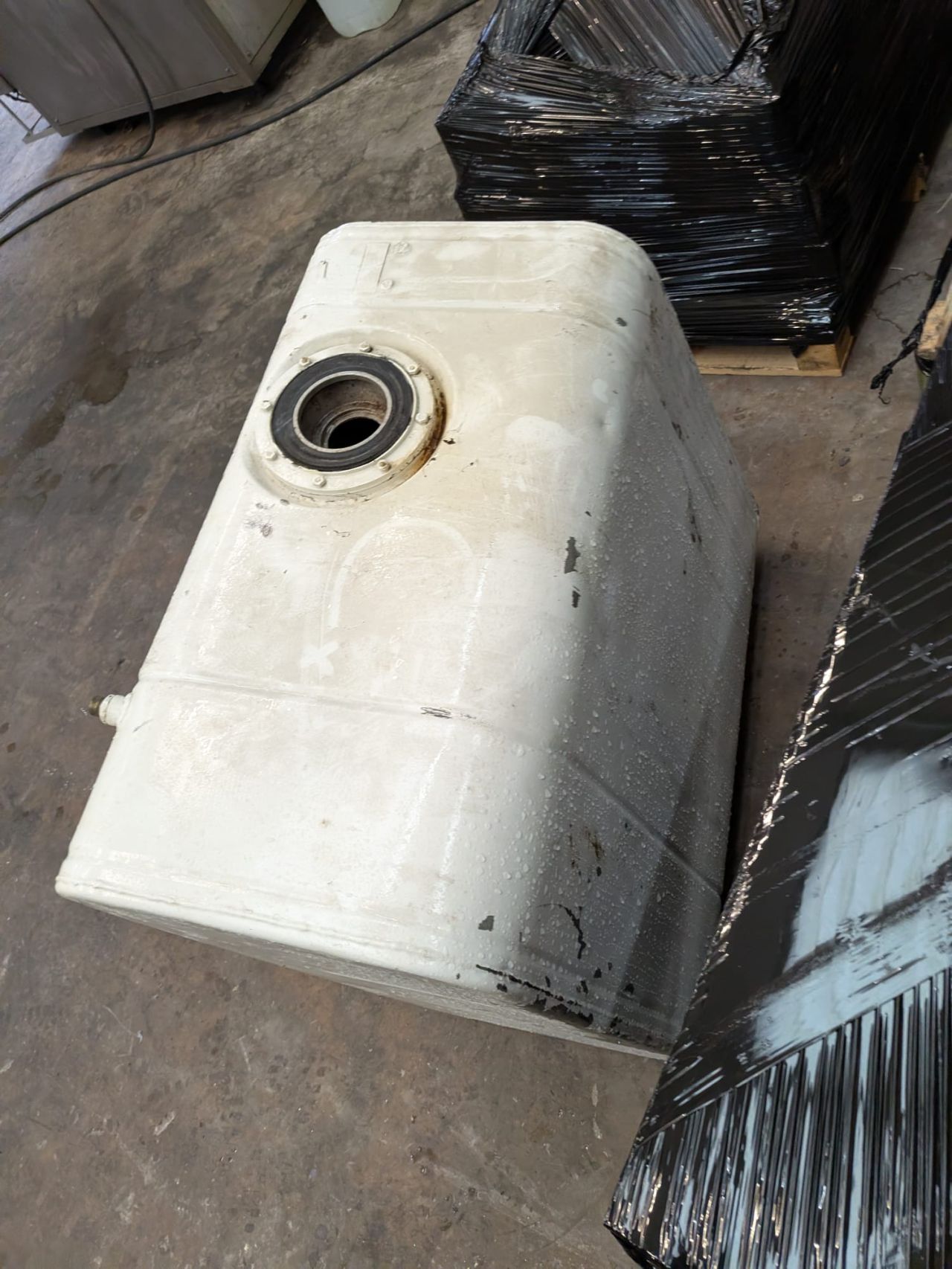
This week’s trial was something a bit special, a 1970 Bulldog fuel tank being restored for use in newly built armoured personnel carriers. Our objective was simple: remove the rust from the inside.
During the process, the internal paint lifted, becoming flaky and abrasive, which served as a clear reminder of what 1970s paint quality was really like. The trial was carried out free of charge, and the results spoke for themselves, with the rust significantly reduced and the tank left in far better condition for its next stage of restoration.
Business Need
The internal condition of the 1970 Bulldog fuel tank posed a serious risk to its future use. More than 70 years of rust, dust, and contamination had built up inside the tank, creating a high likelihood that debris would enter the fuel system and cause long-term reliability issues.
As the tank was intended for installation into newly built armoured personnel carriers, it was essential that the internal surfaces were thoroughly cleaned and stabilised before progressing with the restoration.
Our Role
We carried out a free trial to demonstrate the effectiveness of our cleaning process. Using acid ultrasonic cleaning, we targeted the internal rust and long-standing contamination, allowing the process to reach every internal surface without the need for aggressive mechanical intervention.
During the trial, the original internal paint began to lift and break down. Once exposed, it became clear that the coating had degraded significantly over time, turning abrasive and forming air bubbles across the surface. This behaviour is likely due to metal residues present in historic paint formulations, which differ greatly from modern coatings.
The Outcome
The internal rust was massively reduced, restoring the fuel tank to a condition far better suited for continued restoration and safe operation. The trial clearly demonstrated the effectiveness of the ultrasonic process on large, complex components.
The customer was extremely pleased with the results and has since committed a further seven fuel tanks for processing, making this one of the most successful large-scale trials we have completed in recent months.
Related Articles
XRF Scanning – Adding Another Layer of Insight
Over the past few months, we’ve noticed a new trend emerging in plastics recycling: the rise of what we’ve started calling “micro recyclers.”
read more
We’re Staying Hot on Health & Safety!